Welcome to Senator Christopher Belt's legislative website
Belt: groundbreaking of new Illinois State Police headquarters represents more than a new building
- Details
- Category: Press Releases
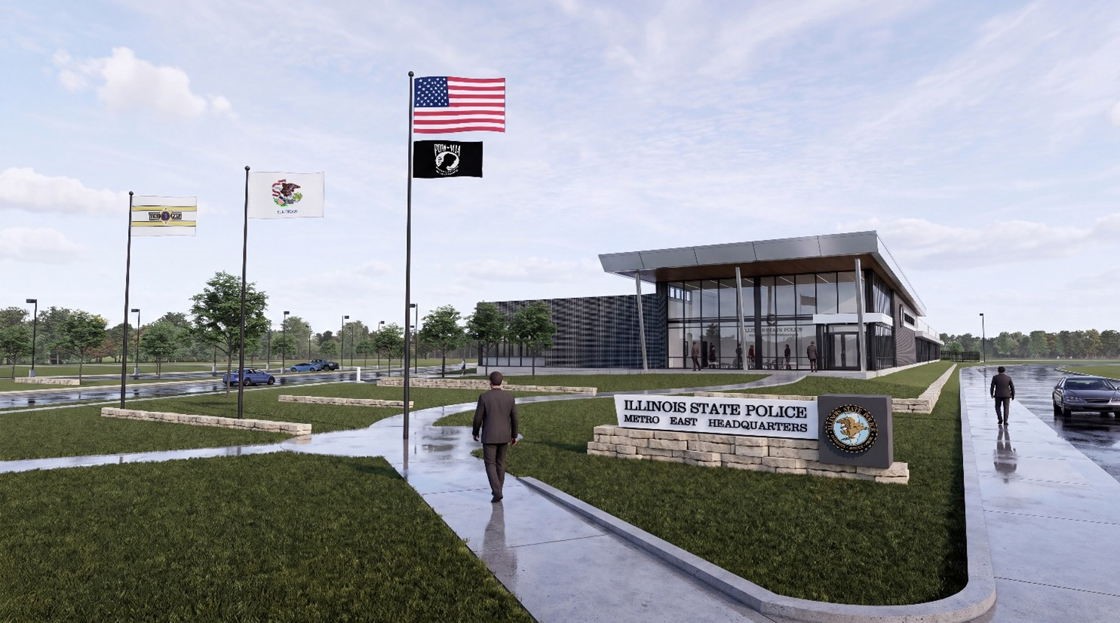
EAST ST. LOUIS – State Senator Christopher Belt celebrated the groundbreaking of the new, state-of-the art Illinois State Police Metro East Regional Headquarters. The new headquarters will be located at 2501 Lynch Ave. in East St. Louis and will stand as a regional hub for public safety, law enforcement coordination and specialized technical support.
|
“The groundbreaking of this new Illinois State Police headquarters represents more than a new building,” said Belt (D-Swansea). “It represents a significant investment in the future of East St. Louis and the safety of our entire Metro East community.” |
The ISP Metro East Regional Headquarters will be approximately 60,000 square feet and house ISP patrol, investigations and 911 communications, as well as an indoor training facility that includes an interactive simulator. The $55 million project is part of Rebuild Illinois capital infrastructure program, which Belt supported in 2019.
Belt announces funding opportunity for local fire departments
- Details
- Category: Press Releases
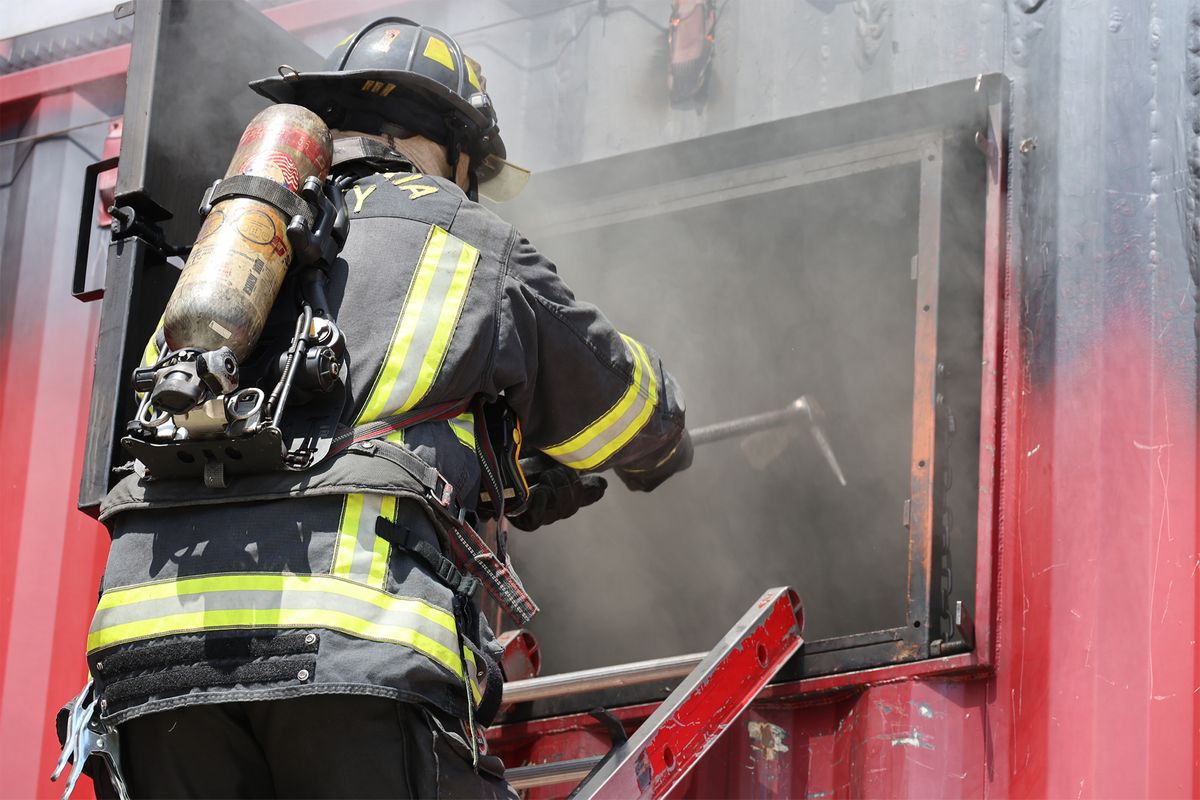
SWANSEA – State Senator Christopher Belt announced that applications are now being accepted for the Small Equipment Grant Program benefiting fire departments and ambulance services.
“Now is the time for local fire and ambulance departments to get their applications in,” said Belt (D-Swansea). “This grant program ensures Metro East fire departments are well equipped for anything that comes their way.”
The Small Equipment Grant Program assists fire departments and not-for-profit ambulance services in Illinois, particularly those experiencing difficulty in generating the necessary revenue for small equipment. The grants allow eligible applicants the opportunity to purchase small tools and equipment they may otherwise not be able to afford.
Read more: Belt announces funding opportunity for local fire departments
Belt announces grant funding for tourism in the Metro East
- Details
- Category: Press Releases
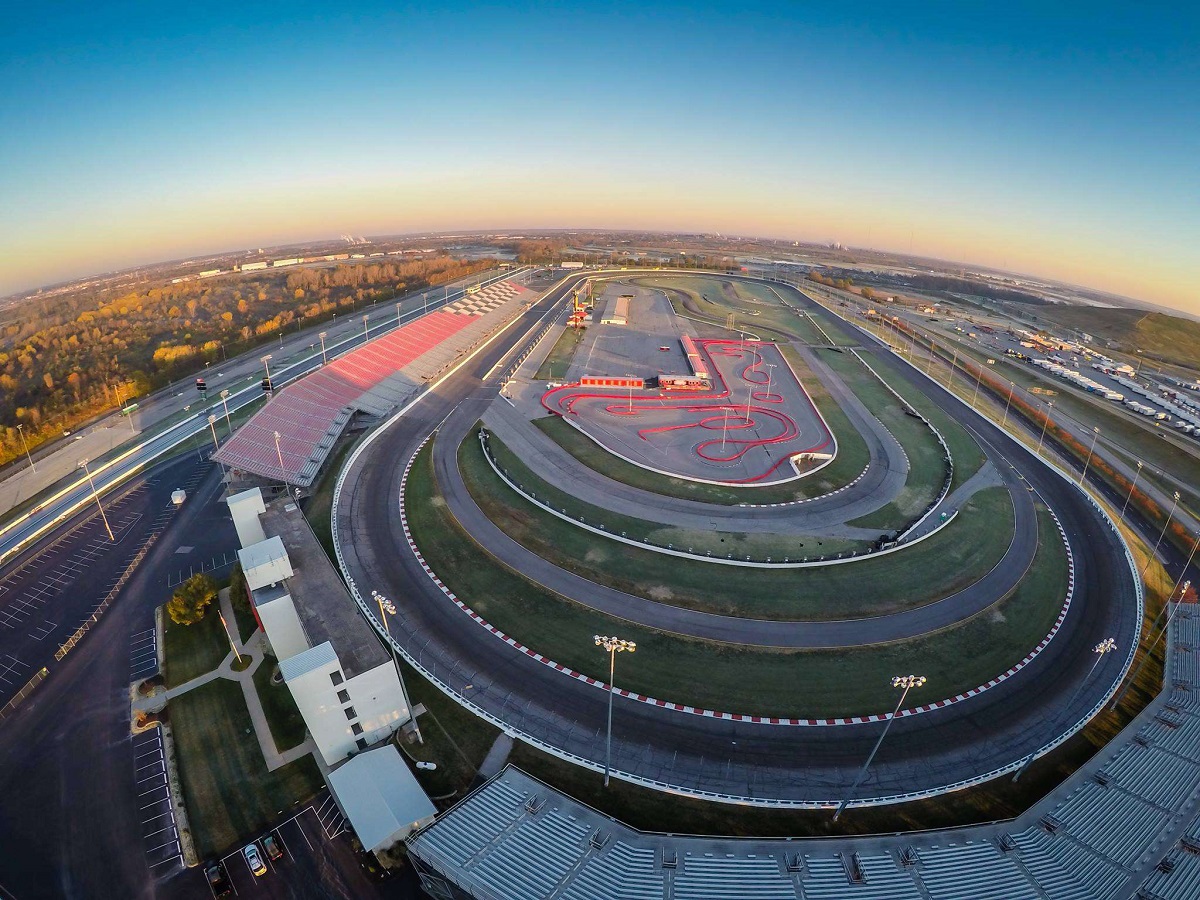
SWANSEA – State Senator Christopher Belt announced nearly $430,000 in grant funding is being awarded to the Metro East to attract visitors and support tourism in the region. The awards includes funds to support projects along Route 66 and in St. Clair County.
“The Metro East has a significant footprint in the automotive and motorsport industries,” said Belt (D-Swansea). “With the World Wide Technology Raceway and Belle-Clair Fairgrounds Speedway, the 57th District is in a unique position to bring in a lot more visitors in the years to come.”
On Route 66, $354,000 will be used for a comprehensive capital improvement and visitor experience enhancement project for the World Wide Technology Raceway located in Madison. Key project components include the installation of electric vehicle charging stations, Route 66-themed wayfinding and interpretive signage, modernization of drag strip scoreboards, redevelopment of the interstate-facing drag tower into a landmark Route 66 feature, and creation of highly visible visitor engagement and photo opportunity areas.
Read more: Belt announces grant funding for tourism in the Metro East
More Articles …
Page 1 of 120


Follow Sen. Belt


Contact Us
Springfield Office:
417-B Capitol Building
Springfield, IL 62706
(217) 782-5399
East St. Louis Office:
Kenneth Hall Regional
Office Bldg.
10 Collinsville Ave., Suite 201A
East St. Louis, IL 62201
(618) 875-1212
Swansea Office:
7 Park Place, Suite C
Swansea, IL 62226
(618) 416-2452